
Struggling to choose the right velvet for your beds? Picking the wrong fabric can hurt your profits or lead to customer complaints. I'll show you the simple truth about velvet costs1.
To choose the right velvet, you must understand the price tiers2. Cheaper velvet is great for budget-friendly beds3. Mid-range velvet offers a better feel and durability, adding value. The best choice depends entirely on your target market and the price point you want to hit.
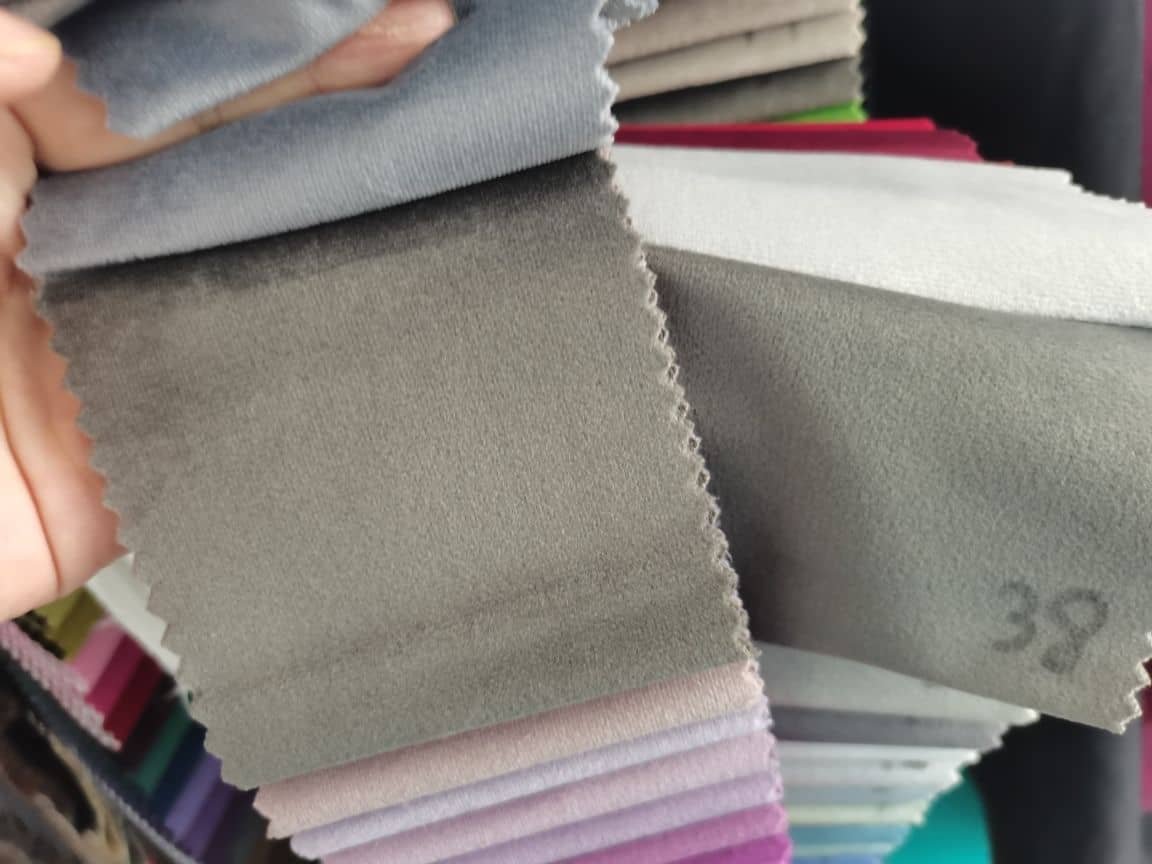
It’s easy to think that all velvet is the same, but that’s not true. As a factory owner, I see the real differences every day, not just in quality but in how it affects your bottom line. It's not just about the color or the style; it's about making a smart business decision. Let's break down the costs and what you really get for your money.
Are More Expensive Velvet Fabrics Really Worth The Cost?
You want to offer quality, but high costs can eat into your margins. Is pricier velvet a good investment, or will it make your beds too expensive for your customers?
Not always. Based on our factory's data, 80% of our B2B clients choose the standard, more affordable velvet. Less than 20% opt for the premium kind. The right choice depends on your brand's position and what your customers are willing to pay.
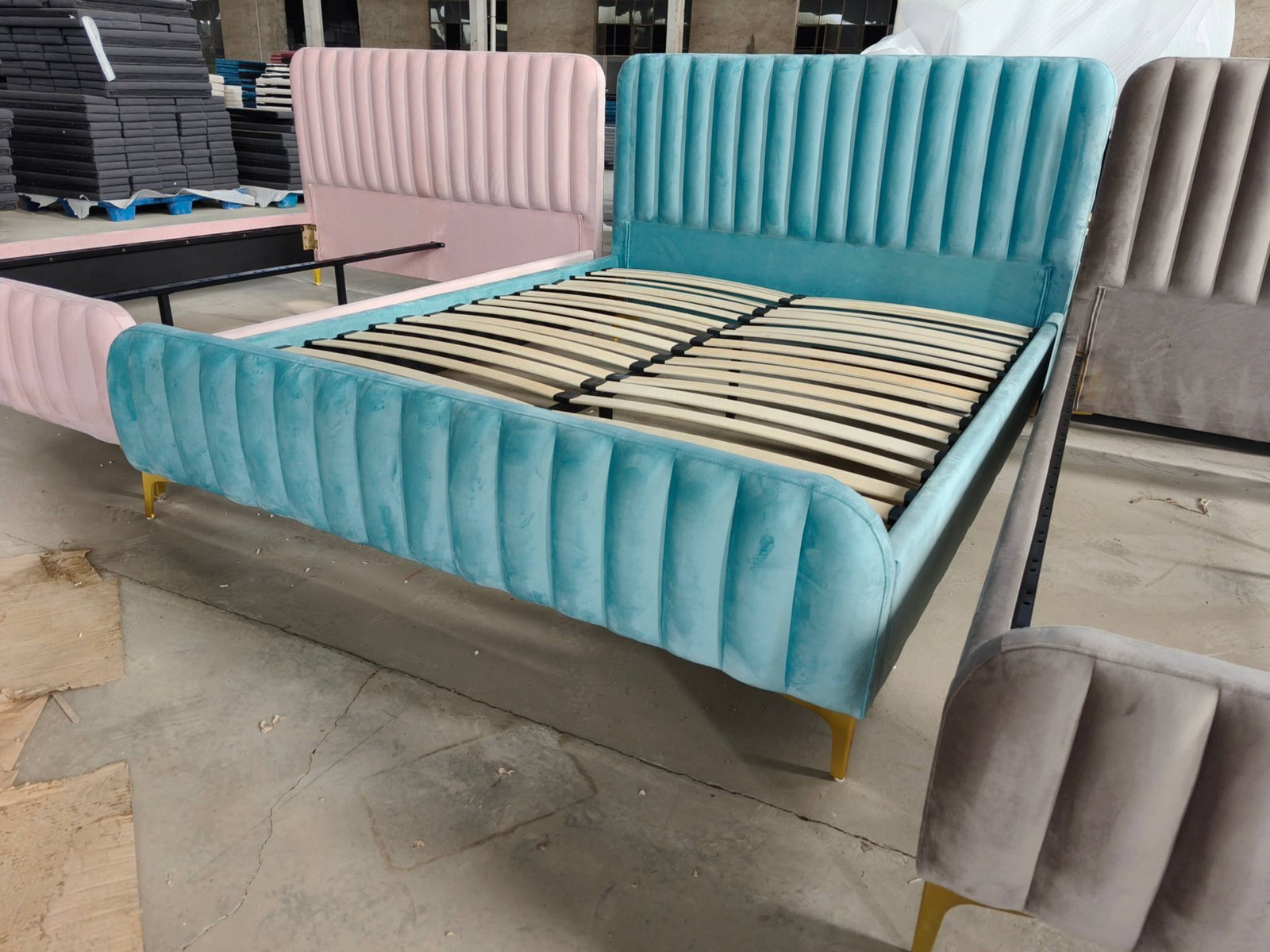
In my factory, we work with velvet every single day. The price differences are very clear. Most of the velvet we use for our clients falls into a few main categories. The most common choice is the 8 RMB/meter fabric. It gets the job done and keeps the final bed cost low, which is why 80% of our clients, like furniture retailers selling online, choose it. Then there's the next level up, around 12-13 RMB/meter. This velvet is denser and feels much softer. It gives the bed a more luxurious feel. For buyers like Radu, who is targeting both the UK and Romanian markets, using this fabric can help justify a higher retail price and attract customers who value quality. A small number of my clients, less than 20%, go for this option.
| Fabric Grade | Price (per meter) | Key Characteristics | Best For |
|---|---|---|---|
| Standard | 8 RMB | Basic feel, good cost-performance | High-volume online retail, budget models |
| Premium | 12-13 RMB | Denser, softer, more durable | Mid to high-end retail4, adding product value |
| High-End | 15-18 RMB | Very dense, luxurious feel | Boutique stores, custom high-end orders |
Ultimately, choosing the 12-13 RMB velvet can be a smart move if your brand is built on quality. It adds real value that customers can see and feel, which can set your products apart from the competition.
What Are The Hottest Bed Fabric Trends For 2025?
Your current bed designs might be selling well, but the market is always changing. Are you prepared for what your customers will want next year, especially the younger generation?
For 2025, the biggest trends are textured fabrics. Corduroy, Chenille, and Teddy/Sherpa fleece are becoming extremely popular. These materials offer a fresh, modern, and cozy look, moving away from the classic smooth velvet and linen that have dominated for years.
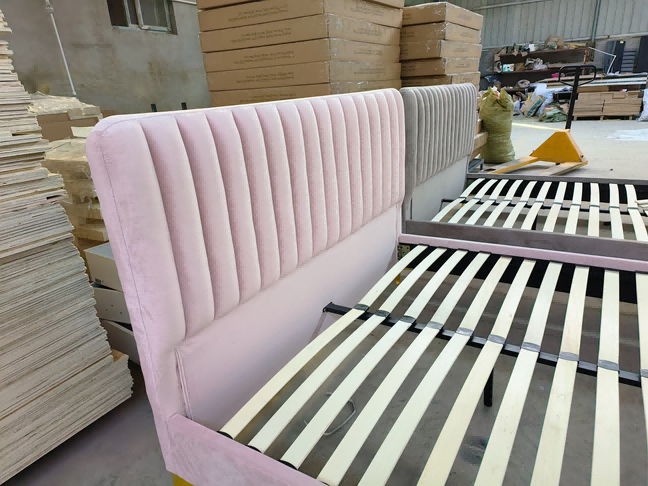
While velvet and linen are still staples for many classic designs, we are seeing a huge shift in demand towards new textures. These fabrics are all about appealing to a younger demographic that values comfort, style, and a modern aesthetic. For a buyer like Agata in Canada, who focuses on modern designs, testing these new materials is a great way to stay ahead of the competition.
Here’s a quick breakdown of the top trends:
- Corduroy: This fabric has a distinct ribbed texture that gives it a cool, retro-modern vibe. It's durable and stylish, perfect for creating a statement piece in an urban-themed bedroom collection.
- Chenille: Known for its soft, fuzzy feel, chenille5 is luxurious but in a different way than velvet. It feels incredibly cozy and inviting, making it perfect for creating a warm and comfortable bedroom.
- Teddy/Sherpa Fleece: This is all about ultimate comfort. The super soft, fluffy texture is a huge draw for customers looking to create a cozy sanctuary. It taps directly into the "hygge" and comfortable living trends.
My advice is to not abandon what works, but to start introducing these new fabrics. You could start with one or two models to test the market response. Balancing your classic best-sellers with fresh, trendy options is the key to long-term success.
Conclusion
Choose velvet based on your market. The cheaper option is cost-effective, while premium velvet6 adds value. Keep an eye on new trends like corduroy and teddy fleece to stay competitive.
Understanding velvet costs is crucial for making informed purchasing decisions that impact your business's profitability. ↩
Exploring price tiers helps you choose the right velvet for your target market, ensuring customer satisfaction and profitability. ↩
Discover how budget-friendly beds can attract a wider customer base while maintaining quality and style. ↩
Understanding high-end retail can help you position your products effectively and attract discerning customers. ↩
Explore the luxurious feel of chenille and how it can enhance the comfort and appeal of your bedding products. ↩
Learn why premium velvet can justify higher retail prices and attract quality-conscious customers. ↩
