
Struggling with fluctuating shipping fees from China? A sudden price jump can wipe out your profits. We'll show you how to manage these costs and protect your bottom line.
Shipping costs for a 40HQ container of beds from China to Lithuania are highly volatile. For example, the rate was around $4200 before mid-March 2026 but jumped to approximately $5200 afterward. Proactive planning with your supplier is crucial to lock in lower rates.

That big price jump is a perfect example of what importers face. It's not just about the numbers; it's about the timing and the partnership you have with your supplier. I've been in this business for over a decade, and I've learned that managing shipping is as important as making great beds. Let's break down why these costs change and what you can do about it.
Why do sea freight costs change so quickly?
Blindsided by sudden sea freight increases? It's tough to budget when prices jump unexpectedly. Understanding the reasons behind these changes gives you more control over your import costs.
Sea freight costs change due to global demand, fuel prices, port congestion, and carrier capacity. During peak seasons or unexpected events, shipping lines adjust rates frequently. This is why a rate quoted today might not be valid next week.
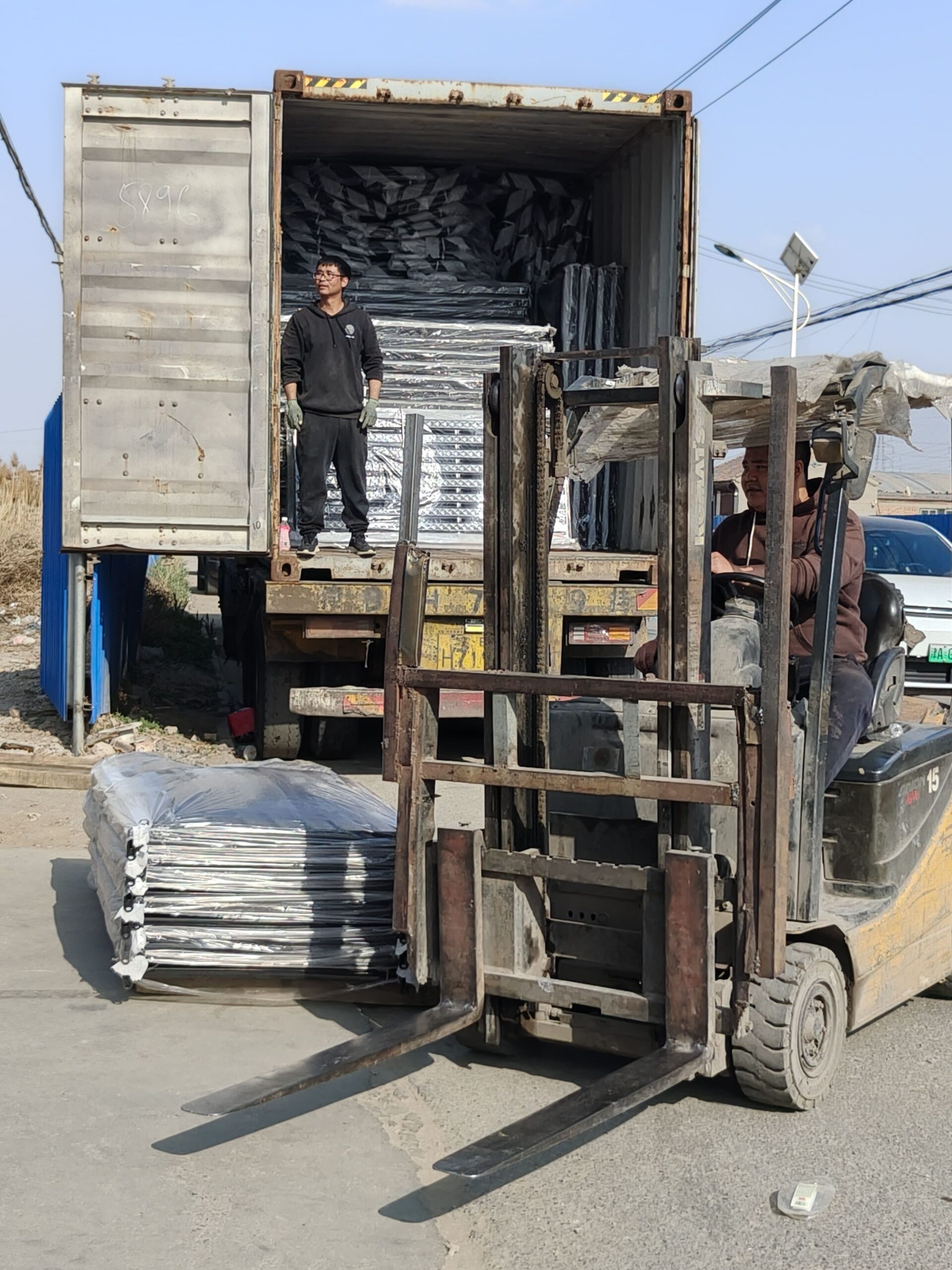
I've seen it all in my years of exporting furniture. A few key things always affect the price you pay to get your products from our factory in China to your warehouse in Europe. It’s not random, and understanding these factors helps you plan better. The main drivers are global demand and the shipping lines' own strategies. When everyone is trying to ship products at the same time, like before a major holiday, space on ships becomes limited and more expensive. On the other hand, shipping carriers can decide to reduce the number of available ships on a route to keep prices high. It’s a complex market, but it follows a certain logic. Below is a simple table to break down the main factors.
| Factor | Description | Impact on Your Business |
|---|---|---|
| Seasonal Demand | High traffic before holidays (e.g., Christmas) or major sales events. | Expect higher rates in Q3 and Q4. Plan orders ahead. |
| Carrier Capacity | Shipping lines can reduce the number of available ships or containers. | Less space means higher prices. A good supplier helps book space early. |
| Fuel Costs (BAF) | Fluctuations in global oil prices directly impact shipping surcharges. | This is a variable cost that can change monthly. |
| Port Congestion | Delays at major ports can tie up ships and containers, reducing supply. | Can lead to unexpected delays and surcharges. |
How can a good supplier help you save on shipping?
Does your supplier just send a price list? This leaves you exposed to sudden shipping cost increases. A real partner works with you to manage these risks proactively.
A good supplier acts as your supply chain partner. They monitor freight rates, provide advance warnings of price hikes, and suggest optimal shipping times. This proactive communication allows you to make timely decisions, like shipping early to avoid paying higher fees.
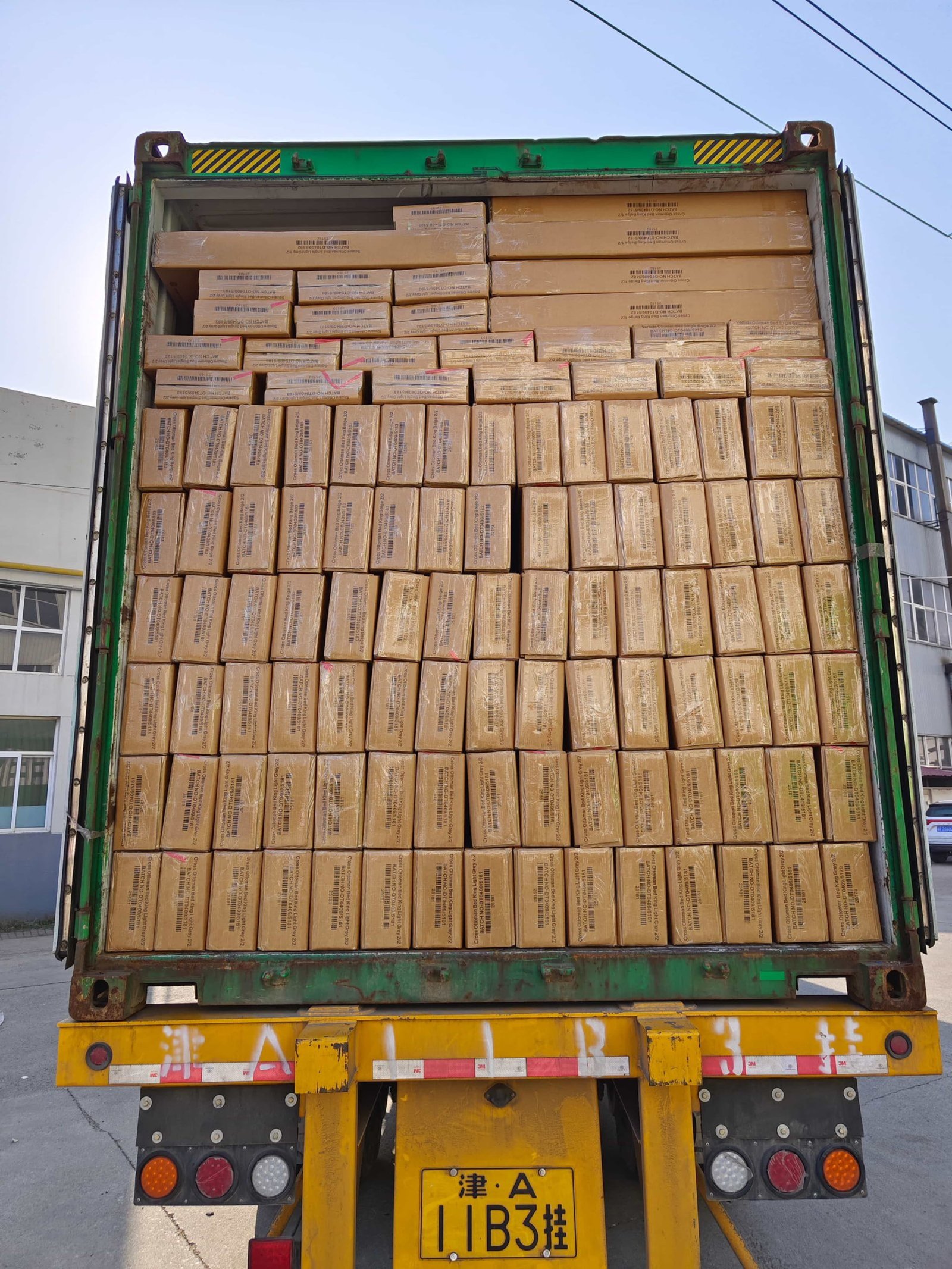
This is something I feel very strongly about. My job is more than just selling you beds. It's about making sure those beds get to you in the most cost-effective way. A recent situation is a perfect example. The sea freight for a 40HQ container to Lithuania was about $4200. But our freight forwarder warned us it would jump to $5200 after March 15th. That's a $1000 difference on a single container, a huge amount that directly impacts your profits. What did we do? We immediately contacted all our clients with finished orders waiting for shipment. We explained the situation, showed them the data, and advised them to ship their containers before the deadline to save that $1000. This is what I mean by partnership. It's not just about manufacturing. It's about providing market intelligence and helping you avoid unnecessary costs. A supplier who does this becomes an extension of your own team.
Is your shipping budget based only on the sea freight quote? Hidden fees at the destination port can lead to nasty surprises. Let’s break down these additional costs.
Beyond sea freight, you must budget for destination charges. These include Terminal Handling Charges (THC), customs clearance fees, import duties, and VAT. Forgetting these can significantly increase your total landed cost, so always ask for a full breakdown from your forwarder.
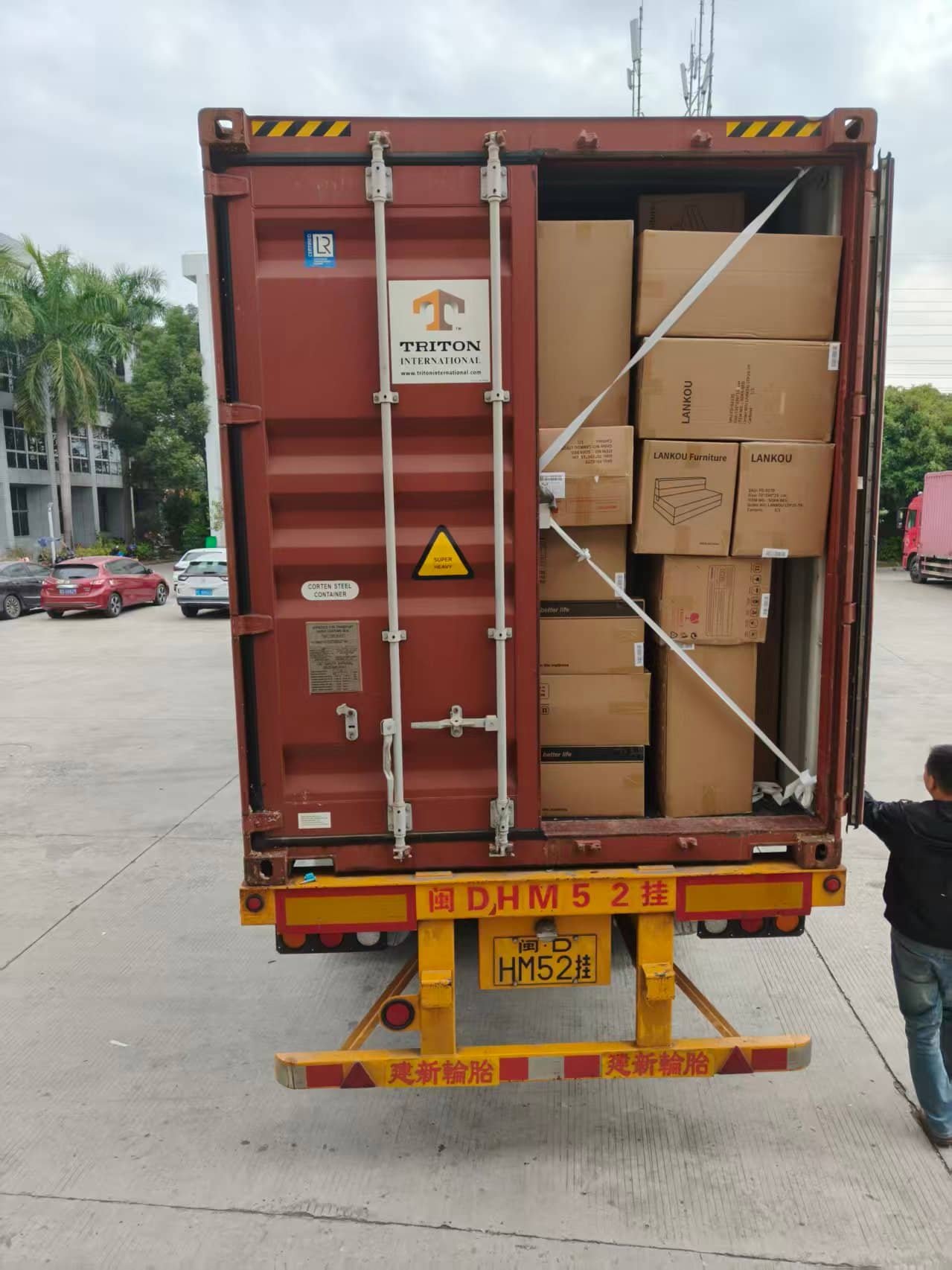
The price from the shipping line is just one piece of the puzzle. I always tell my clients, like Radu who values detailed breakdowns, to look at the total landed cost. Many importers get caught by surprise when the final bill is much higher than the initial quote. Here are the main costs you need to be aware of when your container arrives in a port like Klaipėda, Lithuania. First, there's the Terminal Handling Charge (THC), which the port charges for moving your container. Then, you'll pay a customs broker to handle paperwork. The biggest variable is import duty and VAT, which is a percentage of your goods' value. To calculate this correctly, you need the right Harmonized System (HS) code for your products. Finally, there's the cost of inland haulage to get the container from the port to your warehouse. A reliable supplier should provide all necessary product information and correct HS codes to make this process smoother for you.
How does container loading affect my shipping costs?
Paying to ship a half-empty container? Inefficient packing means you're wasting money on every shipment. Optimizing your container load plan is key to maximizing your import value.
Effective container loading is crucial. By using smart packing techniques and designing products for efficient shipping (like knock-down bed frames), you can fit more units in a container. This lowers the per-unit shipping cost, directly improving your profit margin on each bed sold.
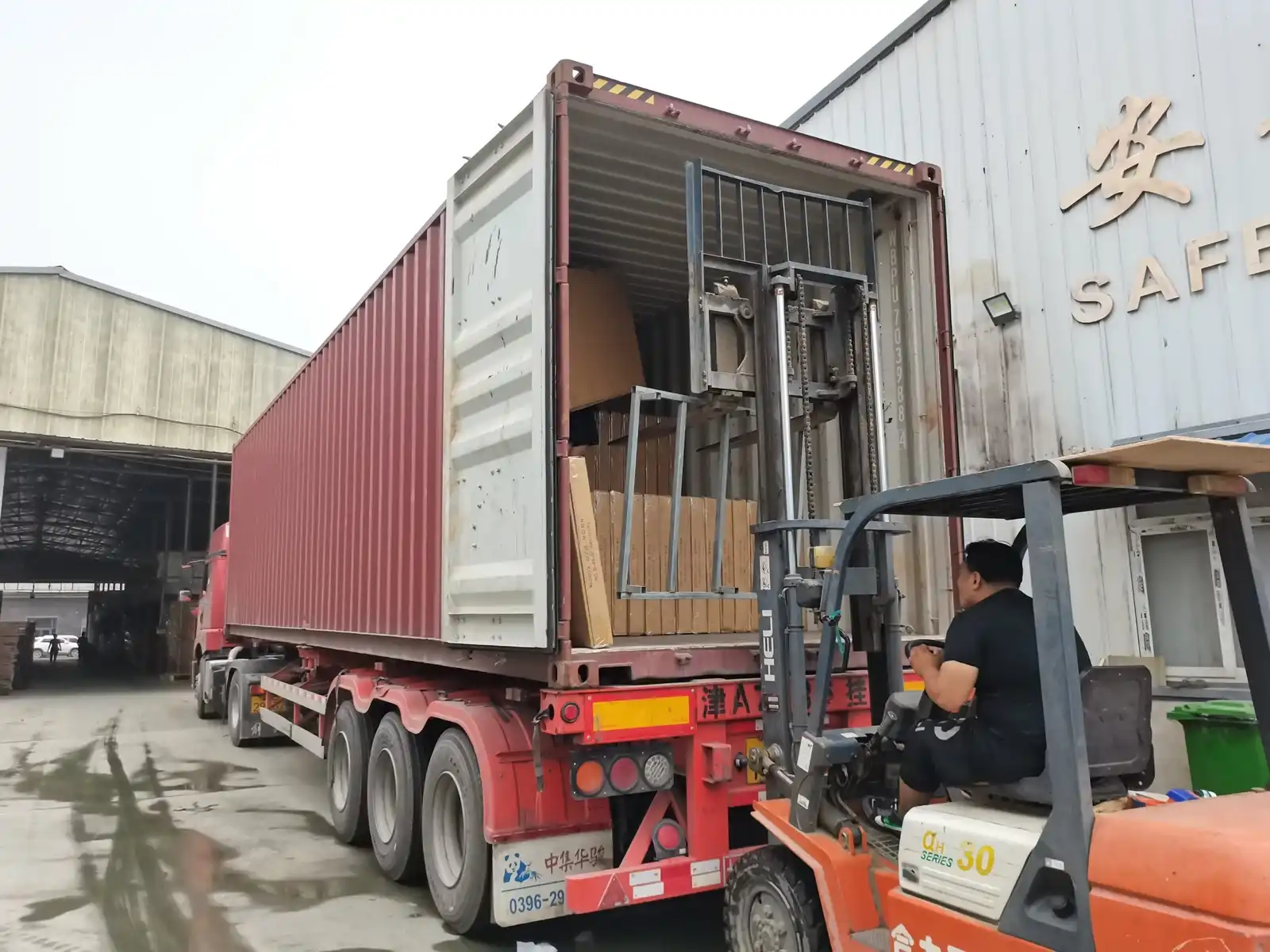
This is a conversation I have often with buyers like Agata and Jack, and it's a critical point for any importer. The goal is always to maximize the number of beds in a 40HQ container. We measure everything in Cubic Meters (CBM). The less CBM each bed package takes up, the more beds you can fit inside. It's simple math that has a huge impact on your bottom line. This is why we focus on designing knock-down (KD) upholstered beds. The headboard, side rails, and slats are packed efficiently into one or two boxes. This is much better than shipping a fully assembled headboard, which is mostly just shipping empty air. For example, a well-designed queen bed might take up 0.4 CBM. A poorly designed one could be 0.6 CBM. Over a full container of 150+ beds, that difference adds up to thousands of dollars in wasted shipping costs. We always work with clients to create a loading plan that maximizes their investment.
Conclusion
Shipping costs to Lithuania are always changing. The key is working with a supplier who helps you anticipate these changes, turning potential risks into savings for your business.
