
Struggling to find a reliable mattress supplier in China? The options are overwhelming, and a wrong choice can cost you dearly. Let's find your perfect match for your business.
The best mattress supplier isn't the biggest, but the most suitable. Look for suppliers like DIKAPABED, Rayson, and JLH who offer certified quality, consistent production, and the specific fire safety compliance your market needs. They provide the right balance of cost and reliability.
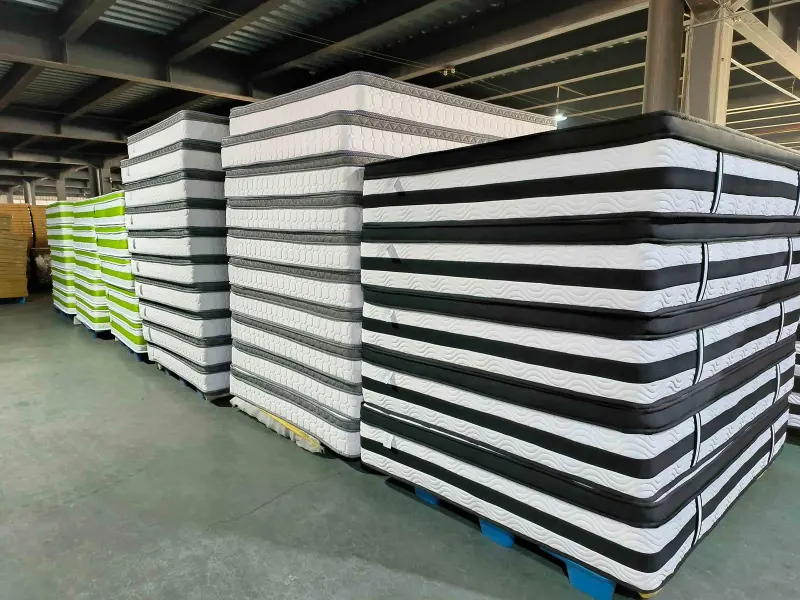
Choosing a supplier is a huge decision. I've been exporting mattresses for years and I have seen it all. You might think sourcing locally in Europe is easier, but the reality is more complex. Many of my clients, like Radu in Romania, source from both. Let's break down why looking to China can be your best move.
Why choose a Chinese supplier over a Turkish one?
Sourcing from Turkey seems faster and easier for European markets. But high costs, inflexibility, and long lead times1 can hurt your business. Discover why a Chinese partner is often a better alternative.
Chinese suppliers often provide better value and flexibility. While Turkey is closer, Chinese factories are more willing to produce to your exact specifications. Their lead times, even with shipping, are often comparable to Turkey's, but at a much more competitive price point.
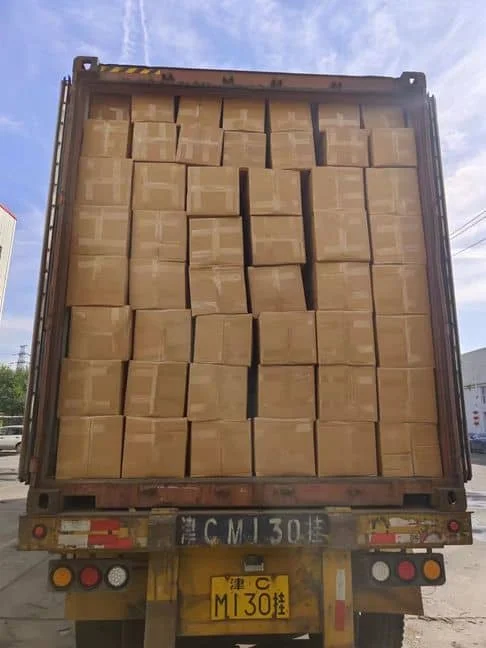
I have many clients who source from both China and Europe. The mattress market is fierce, and production is simpler than for upholstered beds, so local European factories are common. But there's a reason they still come to us in China. Many buyers compare us to Turkish suppliers. From my experience, the difference is clear. A client once told me Turkish suppliers can be very rigid. They often produce based on their own ideas, not the customer's specific requirements. In contrast, we build our business on meeting your exact needs. You might also think Turkey's proximity to the UK is a big advantage. But my clients report that Turkish lead times are often so long that the total delivery time is similar to ordering from China, including sea freight.
| Feature | China Supplier (e.g., DIKAPABED2) | Turkey Supplier |
|---|---|---|
| Price | Highly Competitive | High |
| Customization | Flexible, built to your specs | Rigid, follows own standards |
| Lead Time | 35-45 days + shipping | Often long, comparable total time |
| Proximity to UK | Far | Close |
What fire safety standards do UK mattress importers need?
Worried about meeting UK fire safety laws? Non-compliance can lead to huge fines and blocked imports, destroying your reputation. Here is exactly what you need to know to stay safe.
For the UK market, you must have BS 7177 fire-retardant certification. This is non-negotiable. This standard ensures the mattress won't ignite from a flame source. It typically adds about $6-8 to the cost per mattress and requires a specific label.
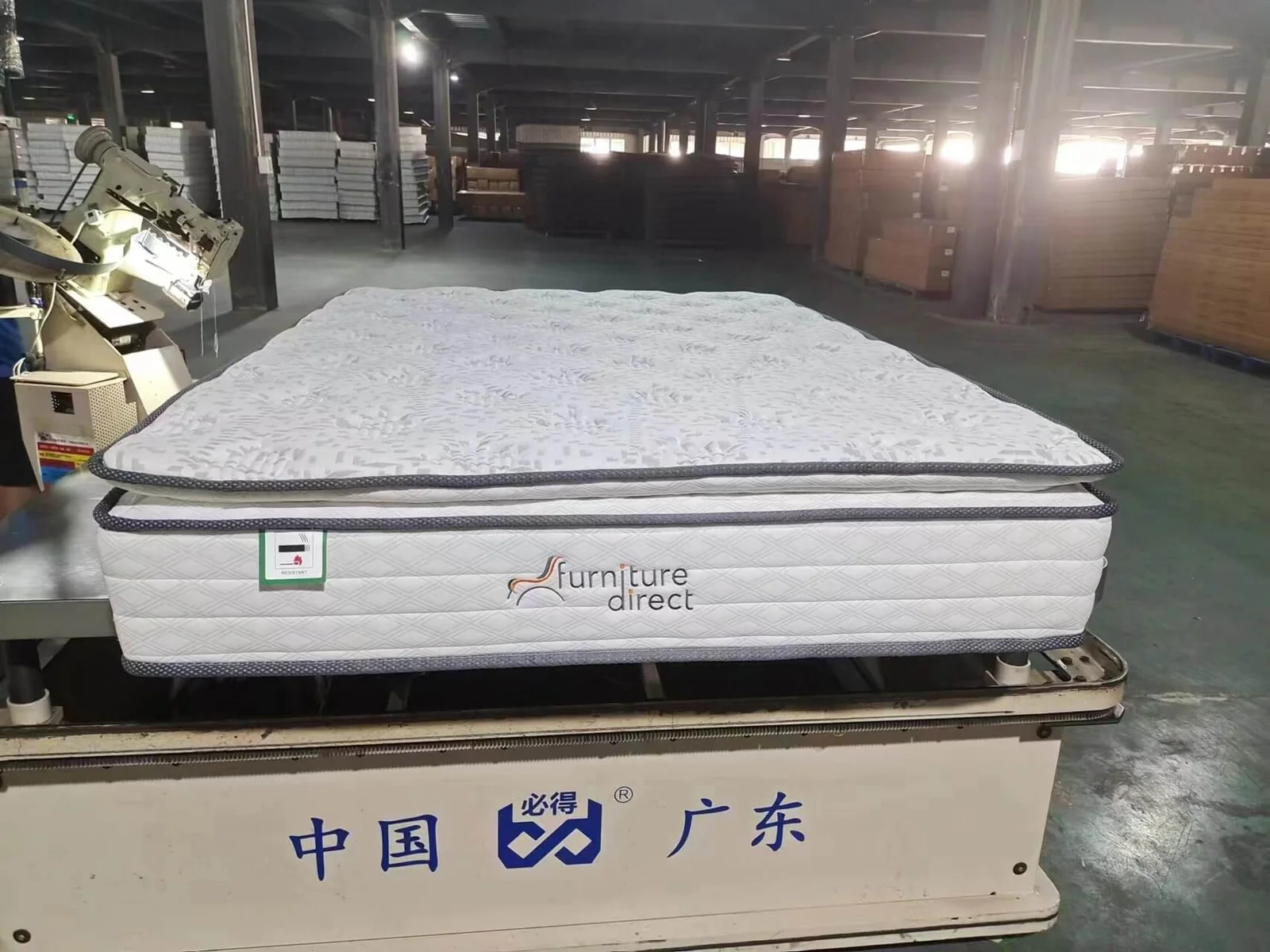
This is the single most important point for my UK buyers. Europe generally doesn't require fireproofing, but the UK is very strict. A supplier who doesn't understand this difference is a major risk for your business. You must verify their certifications are real. There are two main standards you'll hear about: the UK standard and the US standard. They are not the same. It is crucial your supplier knows the difference and can provide the correct one for your market. Adding UK-compliant fire-retardant materials adds about $6-8 to the cost of each mattress. Your supplier must also provide the correct BS 71773 compliance label. Don't just take their word for it; ask for the certification documents to protect your business.
| Standard | Requirement | Test Result |
|---|---|---|
| UK Standard (BS 7177) | Must not ignite. | A lighter flame will not set the material on fire. |
| US Standard (CFR 1633) | Must not spread fire. | A lighter flame may ignite it, but the fire self-extinguishes in 5 seconds. |
How can you check the real quality of a mattress?
A mattress can look great on the outside. But poor quality foam or springs inside can lead to customer complaints and returns. Here is how you can check what really matters.
Focus on the internal components. Ask your supplier for the foam's density and hardness specifications. Also, check the steel wire thickness4 of the springs and confirm they use eco-friendly, non-irritating glue. True quality is about what's inside the mattress cover.
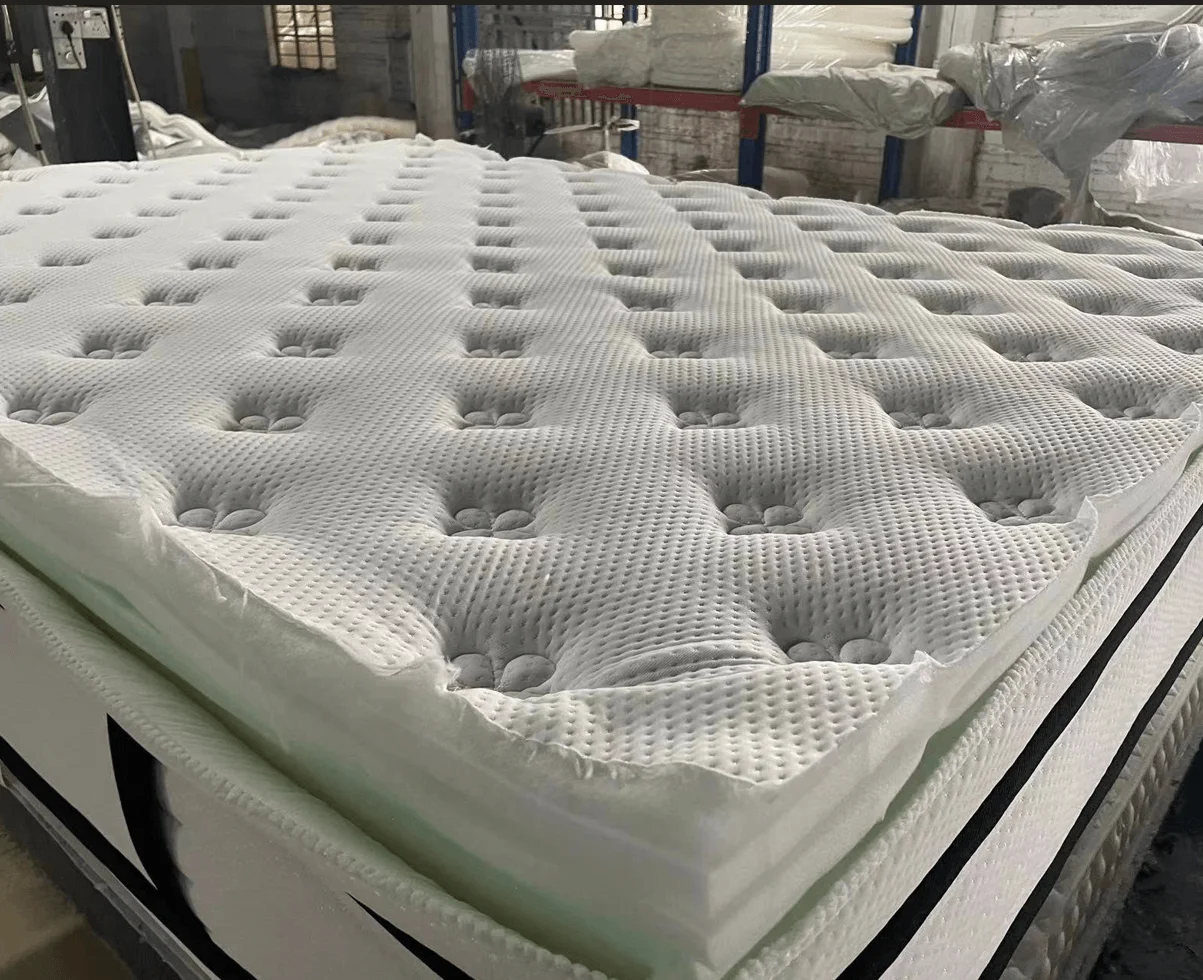
A good-looking fabric cover is easy. But long-term performance comes from the core of the mattress. For my clients like Karim in Australia, who prioritize quality, these internal details are everything. The best supplier isn't the biggest; it's the one who is transparent about these specs. Foam is defined by two key metrics: density and hardness. Density relates to durability, while hardness relates to the feel (soft, medium, firm). A higher density foam will last longer. You need to match the hardness to your customers' preference. Don't forget the other parts. The thickness of the steel wire in the springs determines the support and durability. Thicker wire means a stronger mattress. Also, ask about the glue. We use eco-friendly, non-irritating glue to ensure the product is safe and odor-free for your customers.
| Customer Need | Foam Density (kg/m³) | Corresponding Hardness |
|---|---|---|
| Medium Feel | 30 | 50-60 |
| Hard Feel | 32 | 70-80 |
Chat with me directly on WhatsApp – no forms, just quick answers!
Conclusion
The best supplier offers verified certifications, consistent internal quality, and a partnership that fits your business. Focus on these key details, and you will find your perfect match.
Get insights into lead times to better plan your inventory and supply chain. ↩
Explore reviews to understand DIKAPABED's reliability and quality in mattress production. ↩
Gain insights into BS 7177 to ensure your mattresses meet UK fire safety regulations. ↩
Understand the role of steel wire thickness in mattress performance and longevity. ↩
