
What's inside your next mattress?
Pocket springs, foam, cover fabric and packaging all affect the product you receive. Use this guide to compare constructions and prepare a specification your supplier can actually quote.
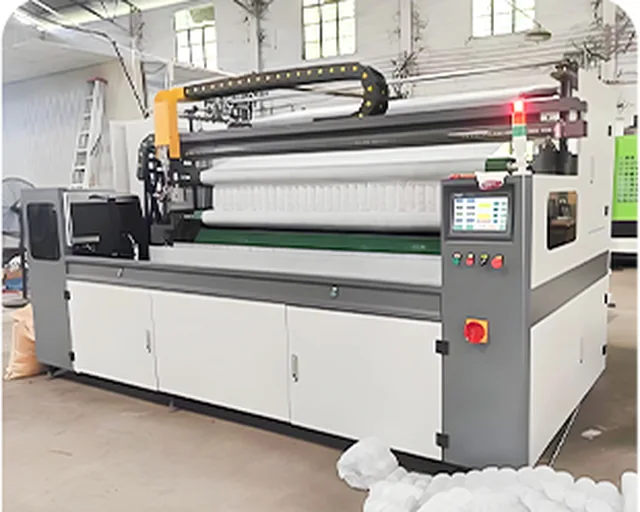
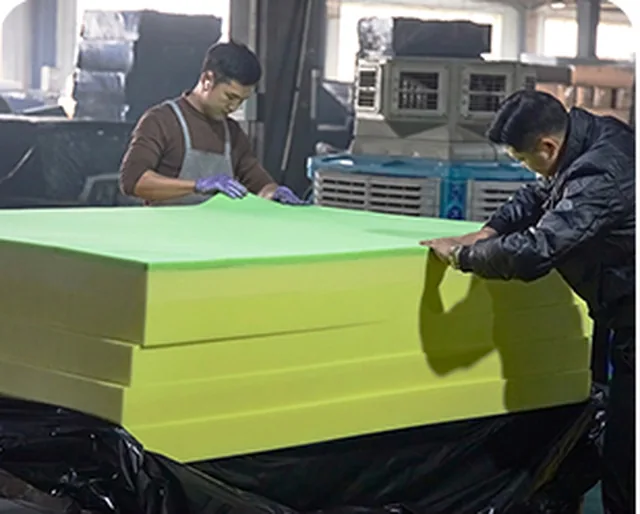
A mattress is not just its height or firmness. Ask what each layer is made of.
Two mattresses can look similar in a catalogue but differ in spring structure, foam specification, edge support and recovery after compression.
Which construction fits your range?
Use these as starting points, not universal performance rankings. Final suitability depends on the complete specification and your market.
Pocket spring / hybrid
Bonnell spring
All-foam / memory foam
Latex-containing hybrid
Four layers. Four questions to ask.
A simplified hybrid mattress cross-section. Real products may use more or fewer layers, different sequences, or a different support core.
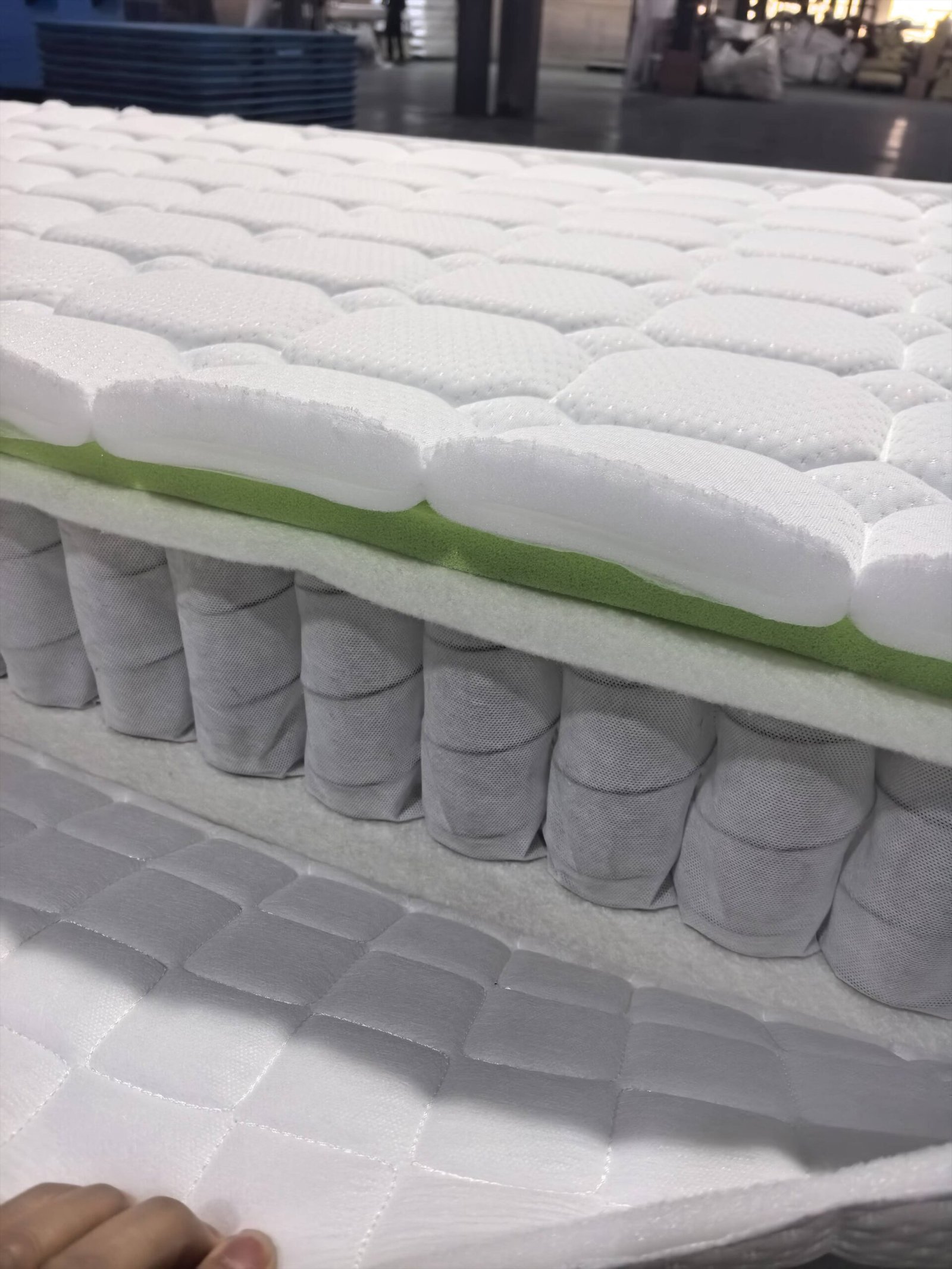
Request fabric composition, fabric weight where applicable, quilting construction, surface finish and any relevant fire-performance test basis.
Specify each layer separately: material, thickness, density and its purpose. “Memory foam” alone is not a complete technical description.
For springs, check wire, geometry, counts and edge support. For foam cores, check density, thickness and physical-performance data where available.
Confirm underside fabric, anti-slip needs, overall dimensions and compatibility with the intended bed base or frame.
The specification behind the label.
Don't approve a mattress solely from a photo, total thickness, marketing firmness label or one foam-density number.
| What to compare | Ask your supplier for | Why it matters in procurement |
|---|---|---|
| Spring system | Pocket / Bonnell type, coil layout, wire specification, edge structure | Affects the support design and the consistency of repeat orders. |
| Foam specification | Material type, density, layer thickness, relevant test information | Density is not a standalone firmness or durability rating. |
| Finished mattress | Width × length × height, tolerance, size-by-size bill of materials | Avoids mismatch between samples, cartons, bed frames and listings. |
| Cover and quilting | Composition, fabric weight, quilting pattern, stitching and finish | Controls appearance, hand-feel and material substitutions. |
| Packaging | Rolled or flat, carton dimensions, gross weight, recovery instructions | Determines storage, shipping and customer-handling requirements. |
| Market compliance | Applicable market requirements and reports for the exact construction | A generic certificate may not cover every material or variant. |
For UK fire safety or US mattress flammability requirements, confirm the destination market, product category, applicable regulations and test coverage before placing an order. We do not treat a material option as automatically certified.
From separate materials to a finished mattress.
These photographs are from DIKAPABED’s existing About-page media. Each image shows a process, not an accredited test result or proof that every mattress model uses the same method.
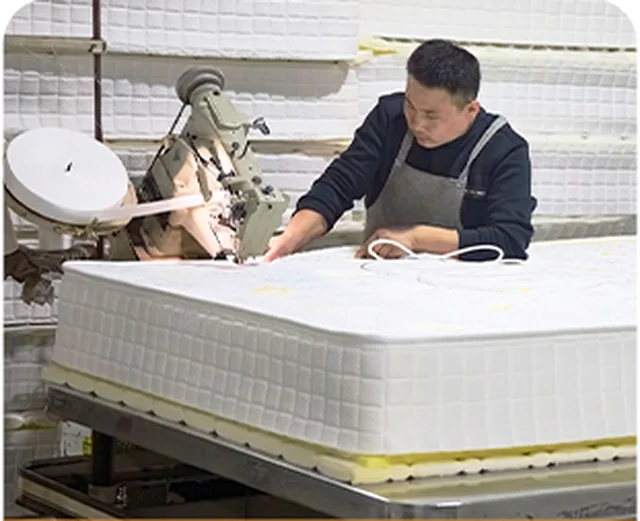
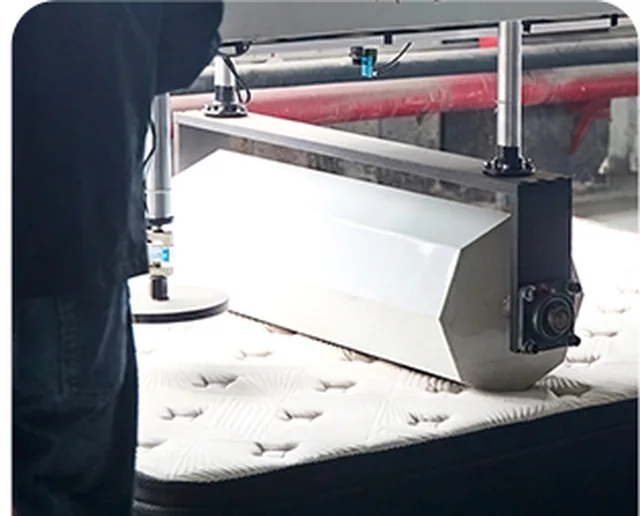
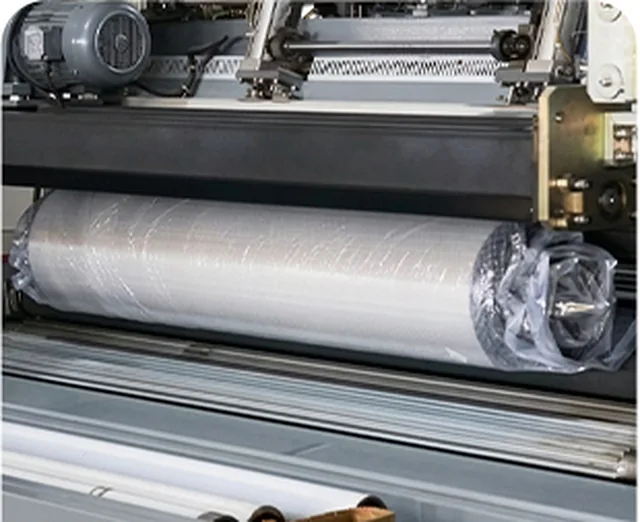
For your own mattress model, request the corresponding construction sheet, sample confirmation, packaging details and relevant QC evidence — not just general photos of a production line.
See our quality-control approach ↗Make the first comparison useful.
A complete RFQ helps you compare suppliers and prevents a low initial quotation from becoming a different product after sampling.
Destination market, UK / EU / US sizing, retail channel, packaging restrictions and target positioning.
Preferred support core, thickness, layer build, target firmness and any reference sample.
Expected quantity, number of SKUs, first-container mix, target shipping mode and delivery requirements.
Sample specification, tests relevant to your market, packaging dimensions and mass-production consistency checks.
What can be specified — and what needs approval.
Custom options are reviewed against your model, order scale, materials and market requirements. Availability should be confirmed in the quotation and sample process.
Spring & foam build
Core type, layer sequence, dimensions and material specifications.
Cover & quilt finish
Fabric options, stitching patterns, colours and appearance details.
Firmness targets
Discuss target feel with a reference, a measurable method and a sample.
Size programme
Market-specific dimensions, tolerance confirmation and finished-height checks.
Brand & packaging
Labels, carton artwork, care information and roll-pack feasibility by model.
Sampling & validation
Review the sample, approved bill of materials and test requirements before volume production.
Mattresses to compare and customise.
Selected using the V2 page relationships and mattress categories. Each difference below appears only when the underlying product record provides that information.
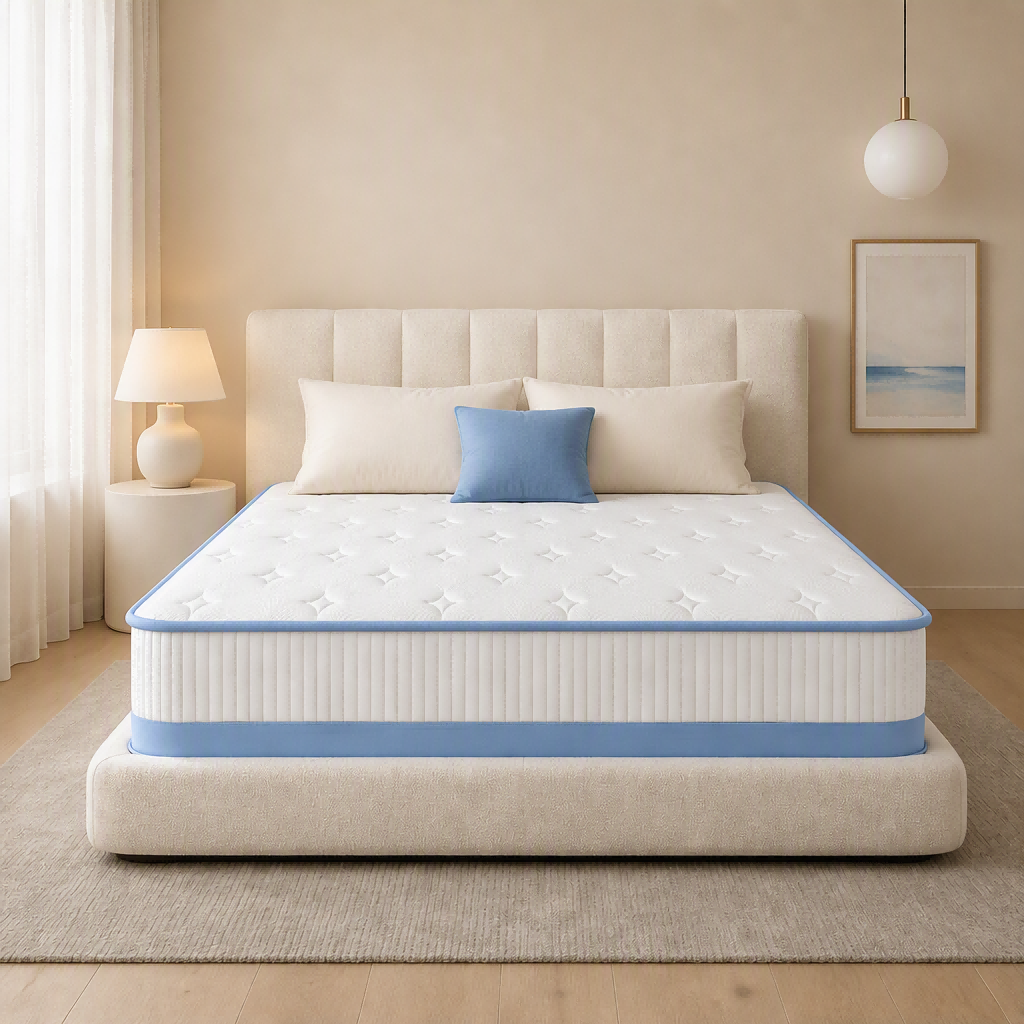 LYM-26
Double-Sided Hybrid Mattress
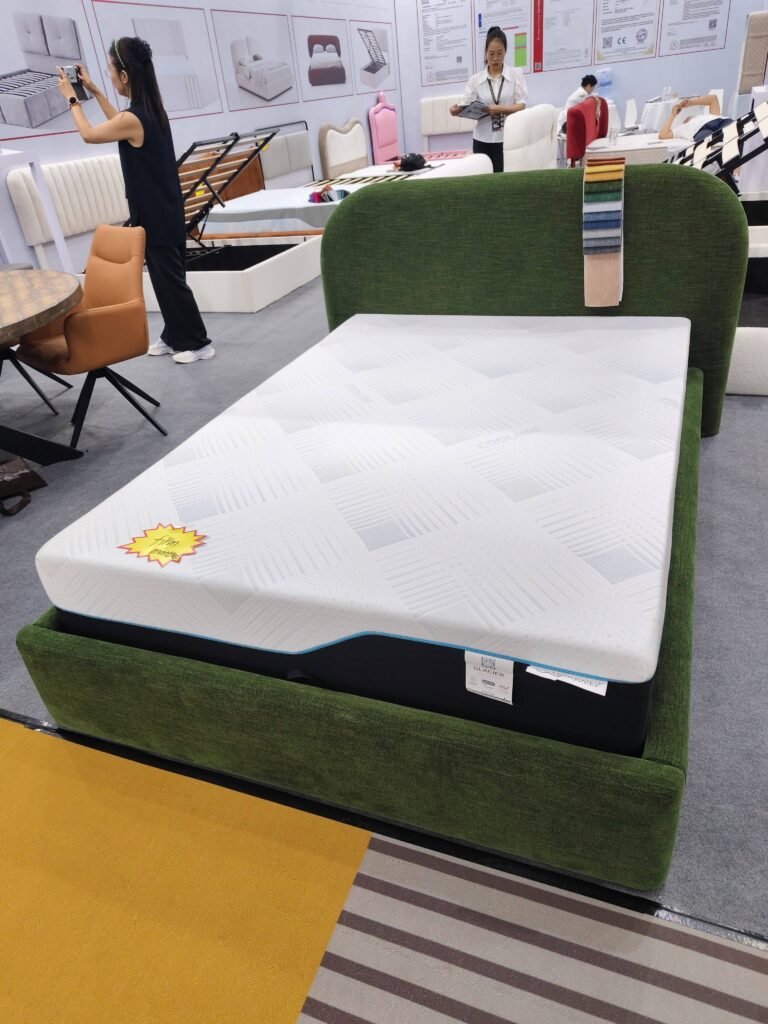 LTM-85
10-Inch Cooling Fabric Hybrid Mattress
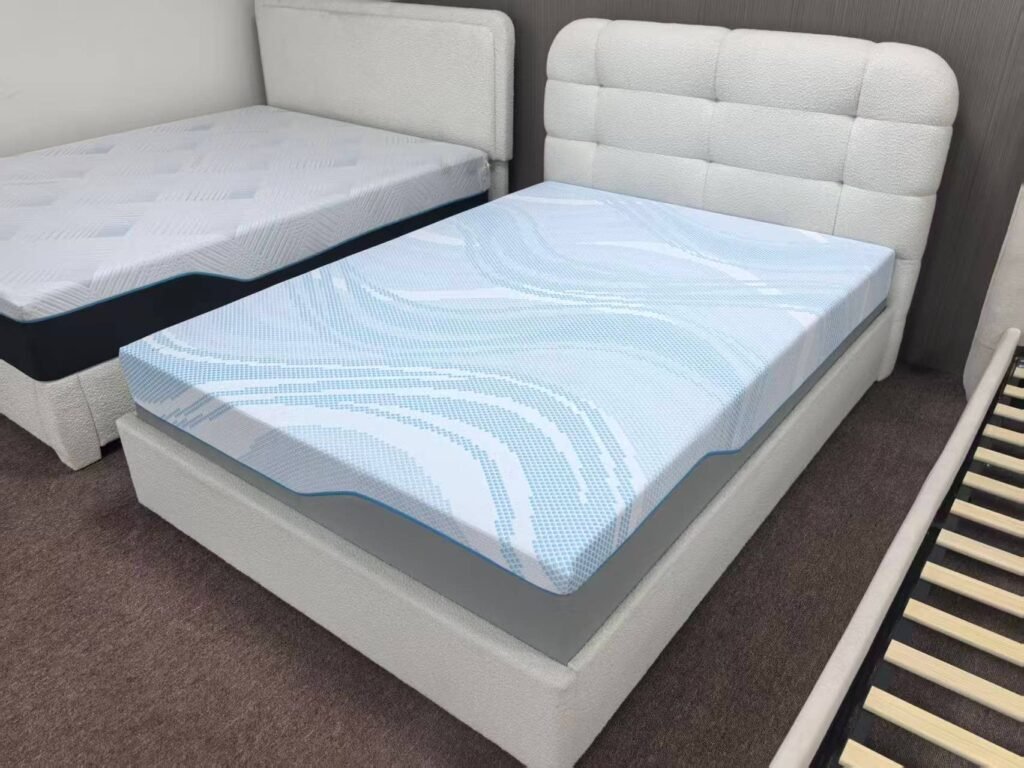 LYM-27
Memory Foam Hybrid Mattress
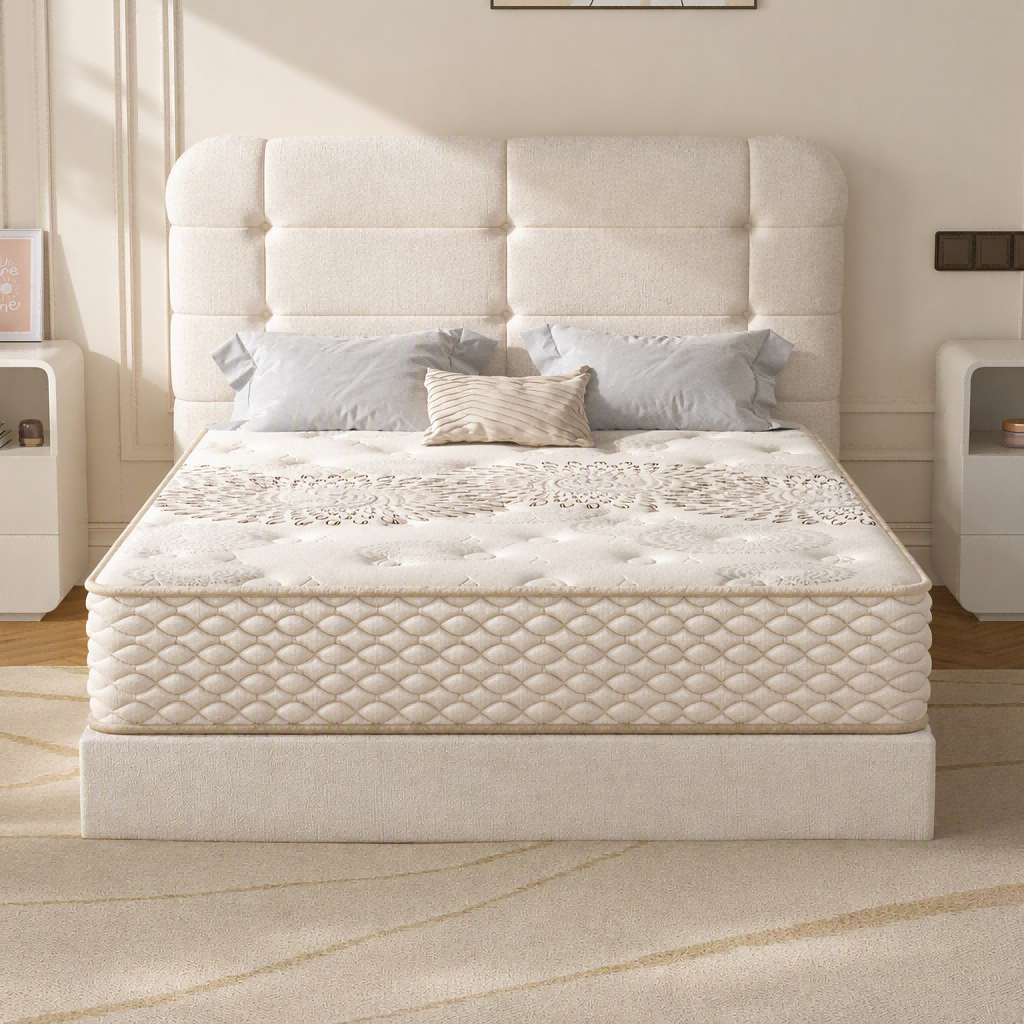 LYM-28
Tight-Top Hybrid Mattress
Before you approve a supplier.
A few questions that reveal whether two quotations describe the same mattress.
Does higher foam density always mean a firmer mattress?
No. Density describes mass per unit volume, while firmness depends on material formulation and compression properties. Ask for both the foam specification and a physical sample or agreed performance method.
Can the same mattress be sold in the UK, EU and US?
Do not assume so. Size conventions, labels and applicable flammability or other requirements differ. Confirm the destination market and evidence for the exact construction and supplied materials.
Can a hybrid mattress be vacuum rolled?
Many constructions can be designed for roll packing, but not every material or spring arrangement is suitable. The supplier must confirm packed dimensions, storage period, recovery procedure and validation for the chosen model.
How can I compare two OEM quotations fairly?
Use the same bill of materials, size, layer thicknesses, spring specification, cover details, packaging assumptions, order quantities and testing scope. A lower quote may reflect a different construction.
What should I approve before mass production?
Approve a representative sample and its written specification, material and colour references, packing method, labelling, applicable testing requirements and production inspection arrangements.
Can I combine mattress and bed-frame SKUs in one shipment?
Mixed-container planning can be discussed. Feasibility and actual loading quantity depend on the carton dimensions, quantities and order conditions for each SKU.