
Mattress Customization Guide
Custom
Mattress
Options.
From spring architecture to roll packing and private-label cartons -- every configurable element, explained clearly so your specification leads to a consistent, repeatable product.
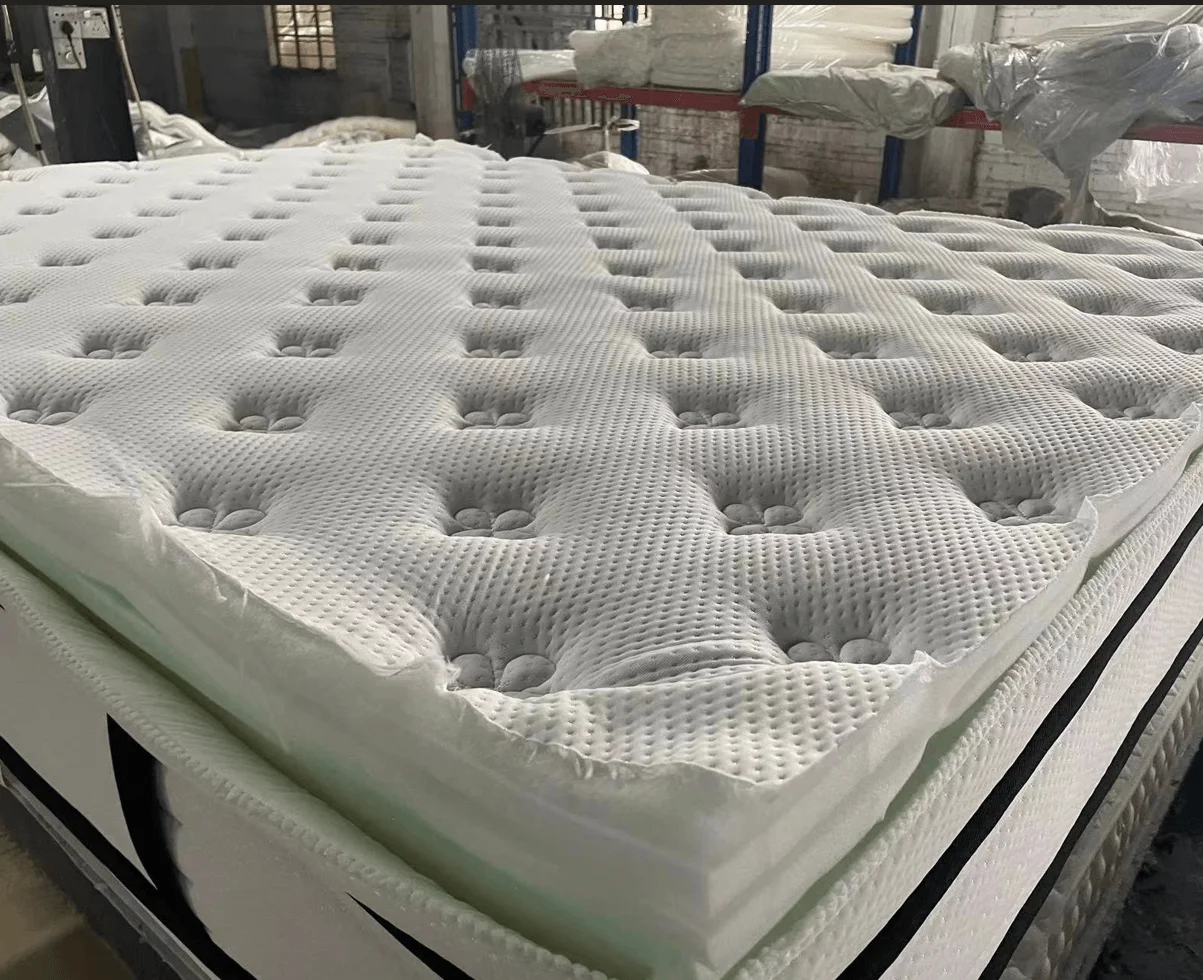
What can be configured
Every layer, every decision -- made visible.
A mattress specification covers more than firmness and size. Spring architecture, foam grades, comfort layers, cover fabric, packing format and private-label details all affect cost, performance, compliance and the end-customer experience. This guide separates each configurable area so you can choose what to standardise and what to adjust.

Spring System
Pocket spring, Bonnell spring or all-foam core -- the choice determines load distribution, motion isolation, breathability and cost position. Each type supports different market expectations and price tiers.
Configurable
Foam Density
Foam density affects durability, sag resistance and firmness consistency over time. Standard grades -- 25D, 30D, 35D -- are confirmed per layer in the signed specification.
Configurable
Memory Foam
Slow-recovery, pressure-relieving comfort layer. Thickness and grade are confirmed per model.
Optional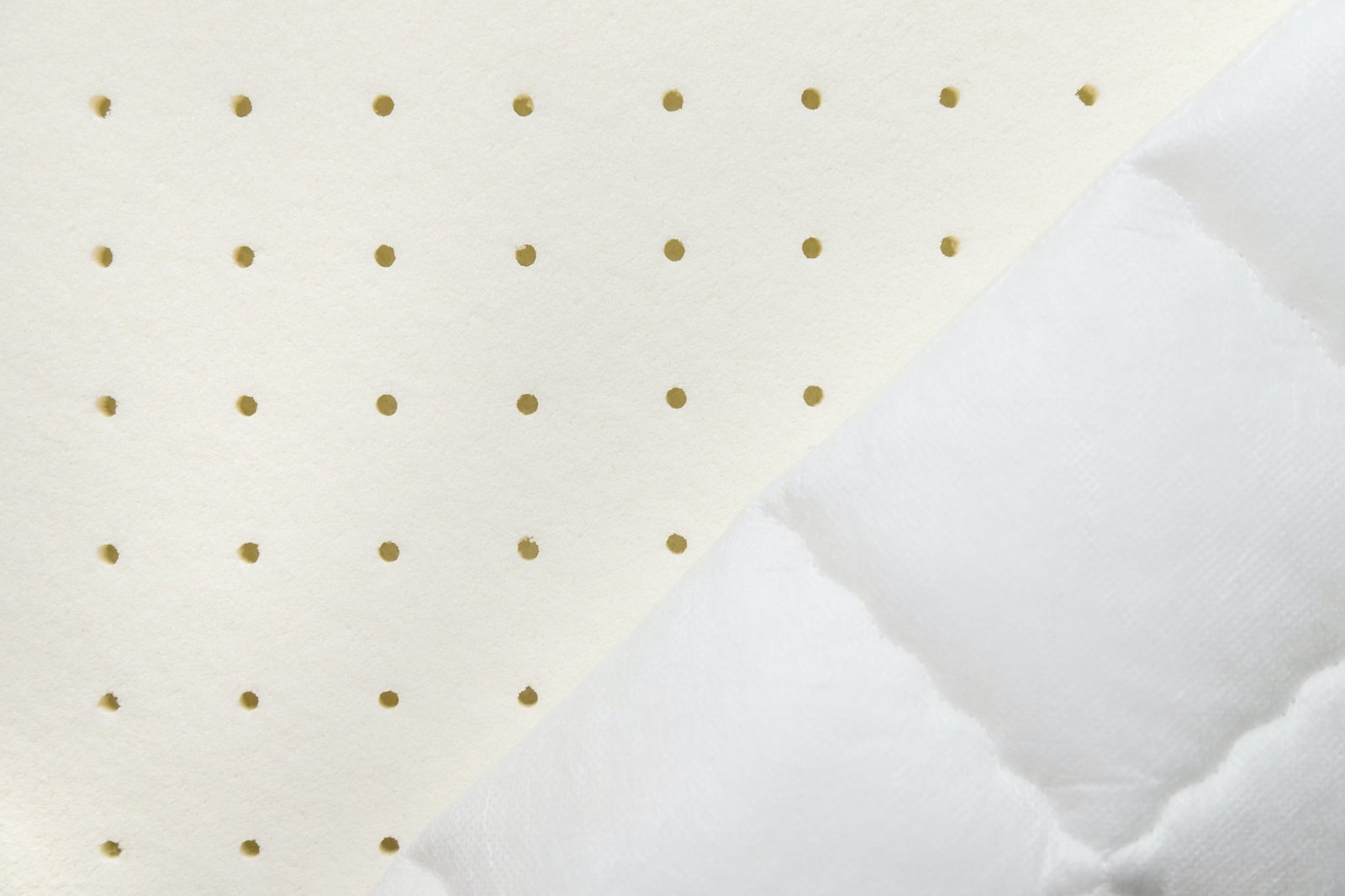
Latex
Natural or blended latex for responsive cushioning and durability. Reviewed per model and market.
Optional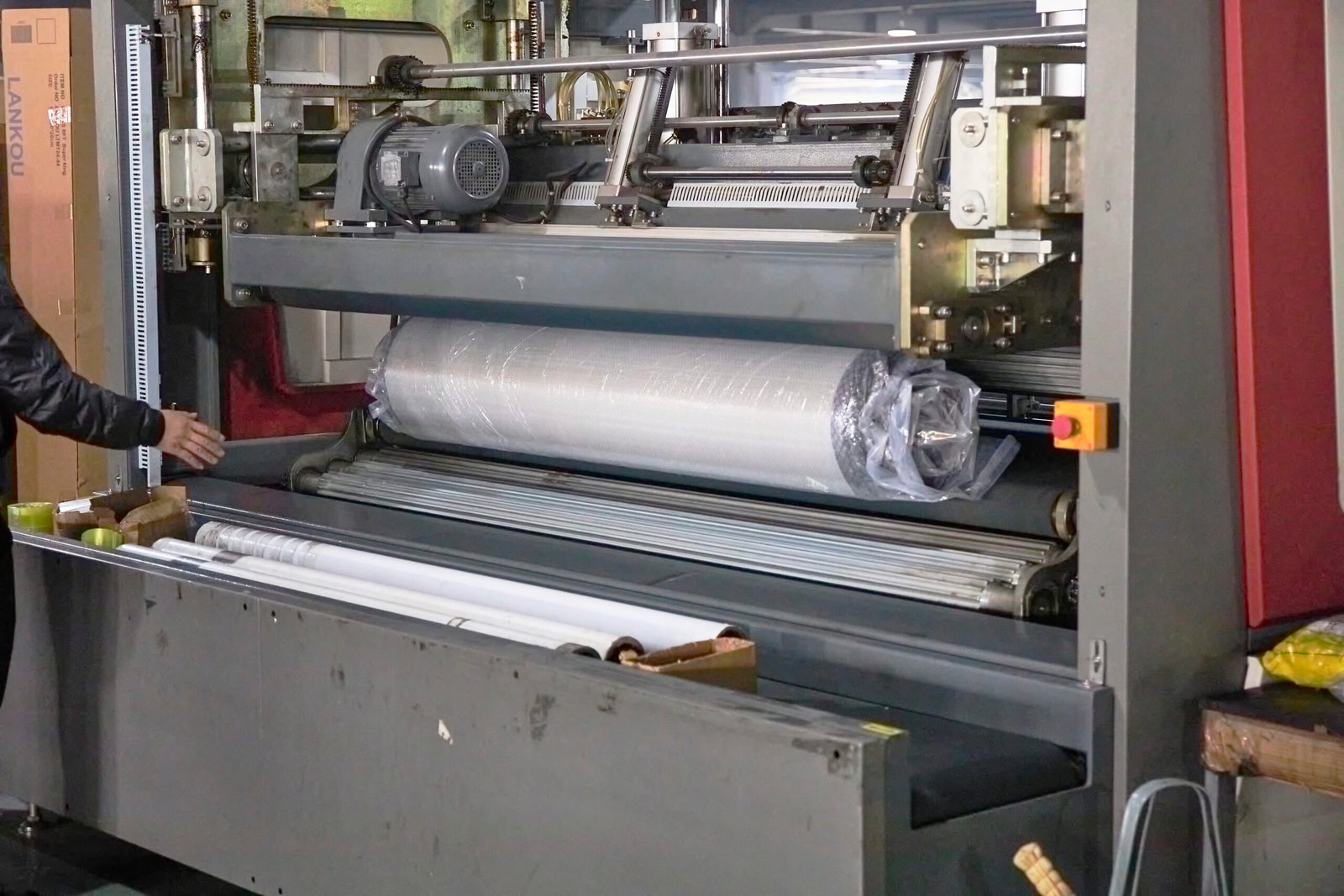
Roll Packed
Vacuum compressed and roll packed for efficient container loading, last-mile delivery and online retail.
Available
Spring System
The core that defines performance.
Spring type determines how weight is distributed, how motion is isolated between sleeping partners, and how the mattress performs over years of use. Each type suits a different price tier and market expectation.

Foam Density
Durability starts with the right grade.
Foam density is measured in kg/m³ and determines how well a foam layer resists compression over time. Specifying the correct density for each layer -- base, transition and comfort -- is essential for consistent performance and complaint control.
Comfort Layer Options
Memory foam or latex -- the layer that defines the feel.
Both memory foam and latex can be added as a comfort layer above the spring or foam core. The choice affects feel, breathability, price and the claims you can make to your end customer.
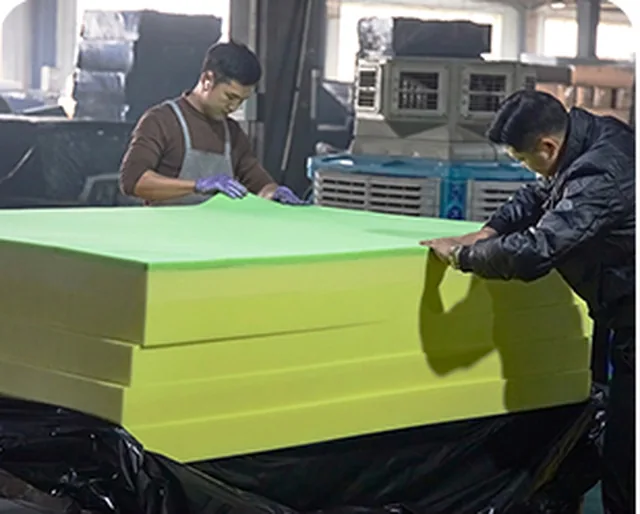
Memory Foam
Visco-elastic foam conforms to body contours, redistributes pressure and recovers slowly after load is removed. Reduces pressure points and provides a distinctive cradling sensation associated with premium sleep products.
Thickness is typically 2-5 cm, confirmed per model. Density and ILD (Indentation Load Deflection) are specified to ensure consistent feel across production batches.
Latex
Natural or blended latex provides a responsive, buoyant feel with good breathability. Latex recovers quickly after compression, making it suitable for active sleepers and warmer climates. It also offers natural hypoallergenic and antimicrobial properties.
Natural, blended or synthetic latex options are reviewed per model. Layer thickness, density and certification requirements (e.g. OEKO-TEX) are confirmed in the specification.
Firmness
Match the feel to your market.
Firmness is not a universal standard -- the same label can mean different things across markets. Confirming firmness through a physical approved sample, not just a descriptor, is the only reliable method for specification control.
Deep sink, pressure-relieving. Suited to side sleepers and lighter body weights. Less common in high-volume retail.
Gentle cushioning with moderate support. Bridges soft comfort and neutral support for combination sleepers.
The most commercially viable firmness level. Balances pressure relief and spinal support across a wide range of body types and sleep positions.
Minimal sink, strong edge and centre support. Preferred in the UK and many European markets. Suits back and front sleepers.
Maximum resistance. Niche application -- orthopaedic positioning, contract hospitality or specific regional preferences.
Mattress Thickness
Profile, positioning and price.
Thickness affects perceived value, layer construction options, packing dimensions and container loading efficiency. Thicker mattresses command higher price points but increase CBM and freight cost. Selecting the right thickness for your market and channel is part of the specification review.
Final thickness, layer breakdown and overall height are confirmed in the signed specification. Thickness may vary ±1-2 cm depending on cover quilting and compression during packing.

Cover & Fabric
The surface your customer touches first.
Cover fabric affects tactile quality, breathability, visual positioning and compliance requirements. Fabric type, quilting pattern, border treatment and label content are all confirmed as part of the specification.

Knitted Fabric
Soft, breathable and cost-effective. The most common cover choice for mid-range mattress programmes. Available in various weights and surface textures.

Quilted Cover
Quilted top panel with foam or fibre padding adds a premium tactile feel, visual depth and perceived value. Quilting pattern, stitch density and padding weight are confirmed per model.

Removable / Zip Cover
Zip-off, washable cover for hygiene-conscious markets. Adds assembly complexity and cost but supports a strong consumer benefit claim. Feasibility is reviewed per model.
Compliance note: Cover fabric for mattresses sold in the UK must comply with the Furniture and Furnishings (Fire) (Safety) Regulations and BS 7177. Fire-retardant treatment, barrier fabric requirements and test reports are confirmed per destination market. Screen and catalogue colours are indicative only -- a physical approved sample defines the confirmed colour and finish.

Roll Packing
Compressed for logistics. Designed for online retail.
Vacuum compression and roll packing reduces mattress volume significantly, improving container loading efficiency, simplifying last-mile delivery and enabling direct-to-consumer fulfilment models. Not all mattress constructions are compatible -- feasibility is reviewed per model.
One set, one box -- simplifies warehouse handling, picking and last-mile delivery.
Roll packing significantly increases loading quantity per container versus flat-packed.
Typical re-expansion time after unboxing -- confirmed per model and construction.
Enables direct-to-consumer and online retail fulfilment without specialist delivery equipment.
Private Label Programme
Your brand, your carton, your programme.

Logo Placement
Brand logo on mattress cover label, border tape and carton. Position, size and colour are confirmed against approved artwork. No minimum logo complexity requirement for standard placement.
Carton Design
Custom carton printing with brand colours, product information, care instructions and regulatory content. 5-layer mail-order carton standard. Artwork requirements and print lead time confirmed per order.
Shipping Mark
Custom shipping marks, destination labels and pallet labels. Required content -- country of origin, weight, dimensions, handling marks -- is confirmed per destination market and customer requirement.
Language & Compliance Labels
Cover labels, care instructions and regulatory content in the required language. UK, EU and other market requirements -- including fire label content -- are confirmed per destination and product type.
From Sample to Repeat Order
Six controlled steps to a consistent product.
A clear approval path prevents specification drift between the sample, first production run and repeat orders. Each step produces a document or physical reference that anchors the next.
Share the Brief
Market, channel, target size, spring type, firmness direction, thickness range and approximate quantity.
Specification Review
Confirm spring system, foam grades, comfort layers, cover, packing format and private-label requirements.
Sample Production
Sample produced to the agreed specification. Sample cost, timing and shipment confirmed before production.
Sample Approval
Physical sample reviewed against specification. Firmness, thickness, cover and packing confirmed and signed off.
Mass Production
PI confirmed, deposit received. Production proceeds against the approved sample and signed specification.
QC & Shipment
Pre-shipment inspection, photos and documentation. Approved sample retained as repeat-order reference.
What the sample approval covers
Sample approval is the reference point for every subsequent production run. The following elements are confirmed against the physical sample:
- Spring type, coil count and gauge
- Foam density per layer (base, transition, comfort)
- Comfort layer type, thickness and grade
- Overall mattress thickness (±1-2 cm tolerance)
- Firmness level -- assessed physically, not by label
- Cover fabric, quilting pattern and colour
- Packing format (roll packed or flat) and carton dimensions
- Logo placement, label language and shipping marks
Final Order Confirmation before production
After deposit is received, a Final Order Confirmation is issued and acknowledged before production begins. This document records:
- Model, size and quantity per SKU
- Confirmed spring system and foam specification
- Comfort layer type and thickness
- Firmness level reference (approved sample ID)
- Cover fabric code and colour
- Packing method, carton dimensions and gross weight
- Private-label artwork version approved
- Delivery basis, lead time and loading plan
Related Products
Mattresses built on this specification framework.
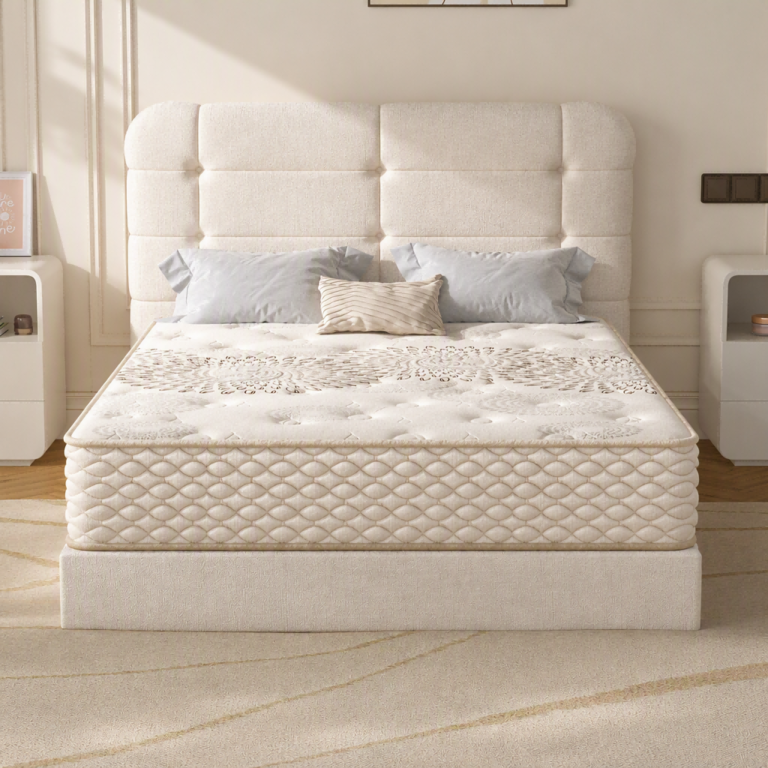
Tight-Top Hybrid Mattress
For retailers who want a straightforward hybrid mattress offer, this tight-top construction combines layered comfort mat...
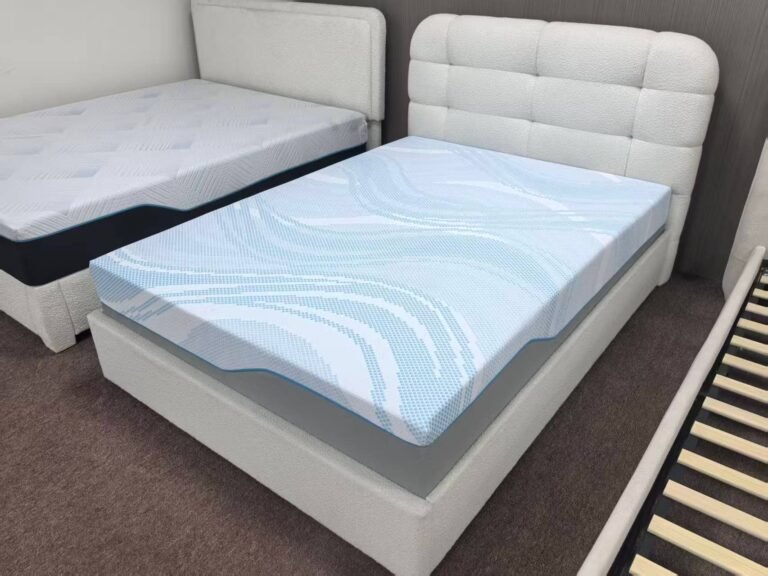
Memory Foam Hybrid Mattress
Add a memory-foam hybrid option to your mattress range with a defined foam-and-pocket-spring construction that buyers ca...
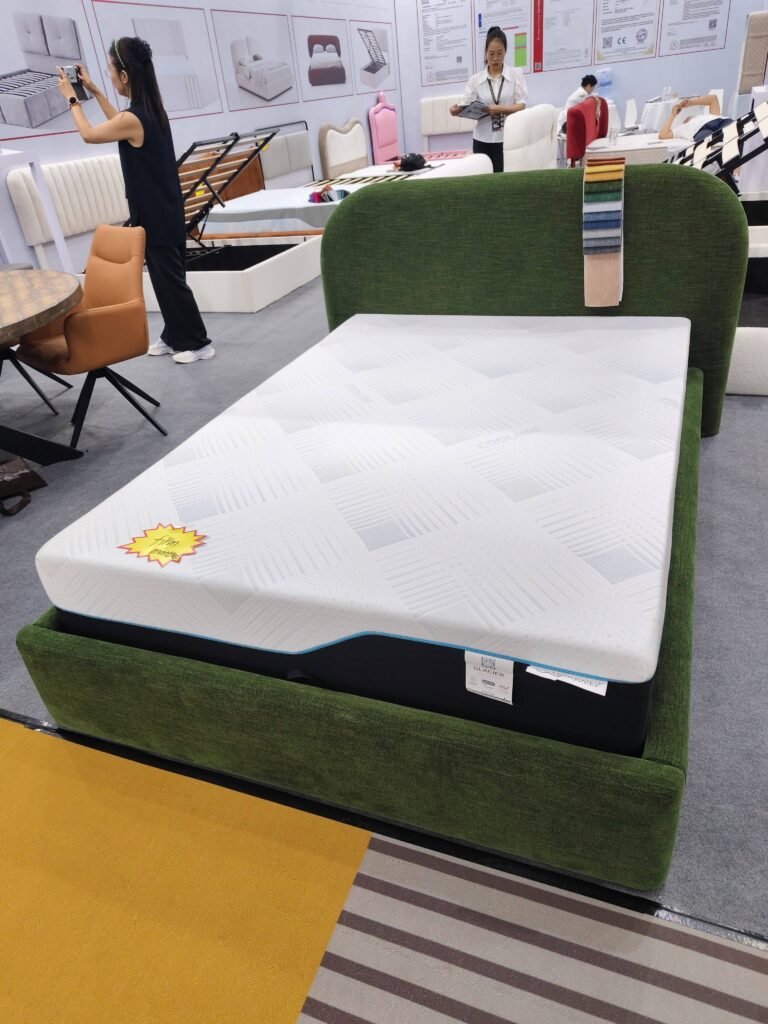
Cooling Extra-Firm Hybrid Mattress
Build a UK-oriented hybrid mattress offer around a clearly defined extra-firm construction rather than a generic spring...
Adjacent Sourcing Resources
Related guides for your procurement programme.
Mattress specification decisions connect to broader sourcing questions -- container planning, compliance, bed frame compatibility and buyer programme structure. These resources address the adjacent topics most relevant to a mattress sourcing programme.
Container Loading & Mixed Container Planning
How to combine mattresses, bed frames and related products in a single container -- including loading quantities, CBM calculations and MOQ considerations per SKU.
Read the guide → Trust ResourceMattress Compliance & Fire Regulations
UK Furniture and Furnishings (Fire) (Safety) Regulations, BS 7177, EU GPSR, REACH formaldehyde limits and EUDR -- what applies to mattresses and how to confirm compliance per model and market.
Read the guide → Buying GuideBed Frame & Mattress Compatibility
Size compatibility across UK and continental European markets, slat system requirements, base type recommendations and how to build a coordinated bed frame and mattress programme.
Read the guide → Sourcing ServiceSample Development & Approval Process
How the sample request, production, review and approval process works -- including cost, timing, shipment, and what the approved sample records for mass production reference.
Read the guide → Buyer SolutionFirst Container Planning for New Mattress Buyers
How to select 3-5 core SKUs, balance firmness and size options, control MOQ risk and structure a first container that generates reliable sell-through and repeat-order data.
Read the guide → Customization GuideUpholstered Bed Frame Customization
Fabric, headboard, storage system, legs, slats and packing options for upholstered bed frames -- the companion guide to mattress customization for buyers building a complete bedroom programme.
Read the guide →Request a Mattress Quotation
Pricing built around your specification -- not a generic list.
Send your target market, product direction, spring preference, firmness, thickness, packing format and order plan. The reply will focus on the relevant configuration, MOQ, lead time and loading basis.
Specification confirmation · MOQ · lead-time reference · roll-pack feasibility · loading and CBM estimate · next approval step.